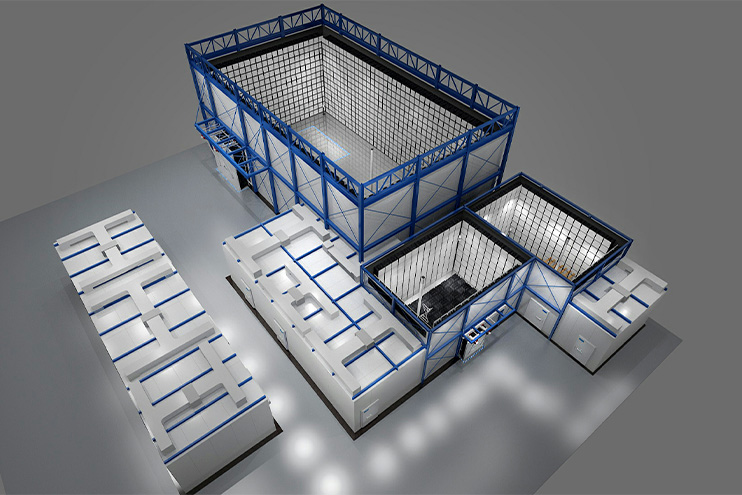
 Anechoic Chamber & Shielding Room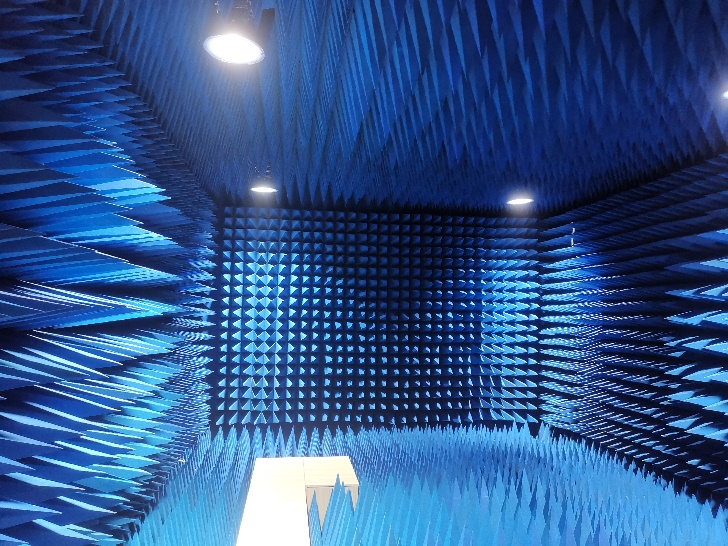
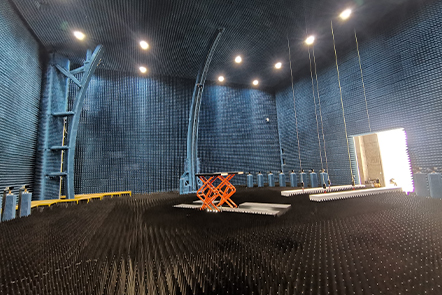
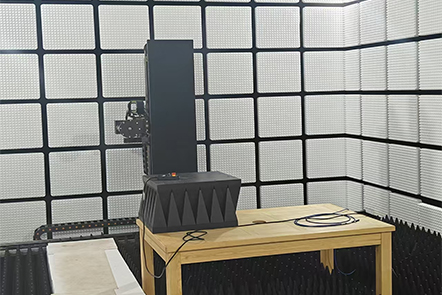
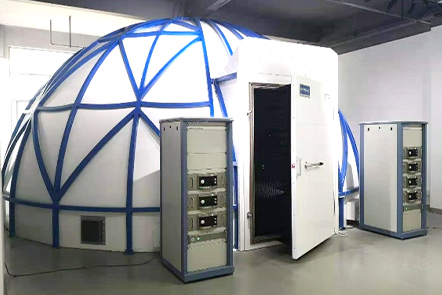
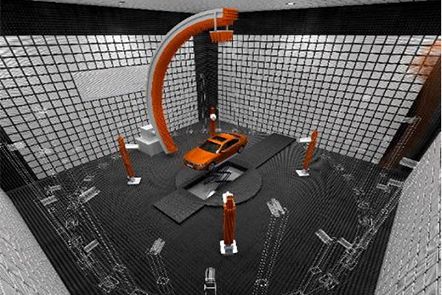
Main application areas
Civilian field: Electromagnetic compatibility testing of products such as mobile phones, Bluetooth headphones, and automotive electronics to ensure stable operation of the devices during daily use.
Military field: Stealth performance tests for fighter jets, missiles and other equipment, electronic warfare confrontation tests, and enhancing the combat capabilities of equipment in complex electromagnetic environments.
Key Parameters
1. Static zone characteristic parameters
The size of the quiet zone: It refers to the range of areas within anechoic chamber where the electromagnetic environment is stable, usually expressed in terms of length, width, and height.
Maximum reflection level: The ratio of the intensity of the reflected wave to the direct wave in the quiet zone, generally requiring the reflection level to be at least 45dB lower than the main beam level.
Cross-polarization degree: When the polarization planes of the antenna to be tested and the transmitting antenna are orthogonal and parallel, the ratio of field strength should be less than -25dB.
Field uniformity: When moving the antenna along the axial direction of the static zone, the signal fluctuation does not exceed ±2dB. When moving laterally and up and down, the fluctuation should not exceed ±0.25dB.
Path loss: When the fluctuation of the received signal does not exceed ±0.25dB, the multipath loss can be ignored.
2. Operating frequency range
It generally covers 30MHz to 40GHz, depending on the design of the anechoic chamber and the application scenario.
3. Shielding effectiveness
Shielding performance requirements for different frequency bands:
10kHz to 150kHz (magnetic field) ≥70dB
150kHz~1MHz≥100dB
1MHz~1000MHz≥110dB
1GHz~18GHz≥100dB
4. Properties of absorbing materials
The reflectivity, oblique incidence performance, resistance to high temperature and high humidity, and flame retardancy of the absorbing material directly affect the absorption effect of the anechoic chamber.
5. Other parameters
Normalized Site Decay (NSA) : The deviation of site decay from the theoretical value should be within ±4dB.
Transmission loss (TL) : In frequency bands above 1GHz, the transmission loss deviation should be within ±4dB.