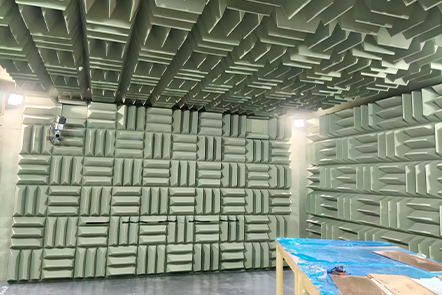
 Anechoic Chamber & Shielding Room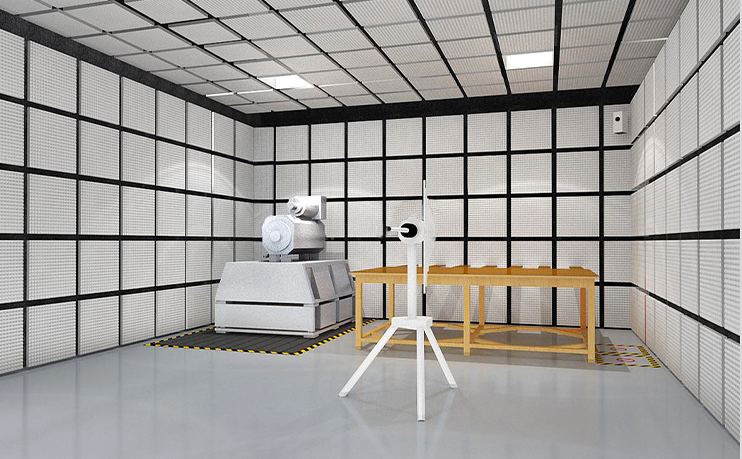
Main application areas
Mainly used for motor research and production testing in the fields of new energy vehicles, industrial motors, etc., to ensure the safe and reliable operation of motors in complex electromagnetic environments, in compliance with relevant standards (such as CISPR25, GB/T 18655, etc.).
Key Parameters
1. core functionality
The Single-Motor Load Testing Anechoic Chamber is mainly used to simulate the load conditions of the motor during actual operation and conduct electromagnetic compatibility tests simultaneously. By loading a dynamometer to simulate the load of the motor during vehicle operation or other application scenarios, it is ensured that the test results can truly reflect the electromagnetic radiation and anti-interference performance of the motor in actual use.
2. Key equipment configuration
Dynamometer and frequency converter: provide accurate load simulation, adjustable speed and torque, simulate different working conditions.
Battery simulator: Simulate vehicle battery power supply, support bidirectional energy conversion, can supply power and absorb energy generated by motor braking.
Shielding penetration shaft: Connect the dynamometer and the tested motor to ensure electromagnetic shielding effect and reduce external interference.
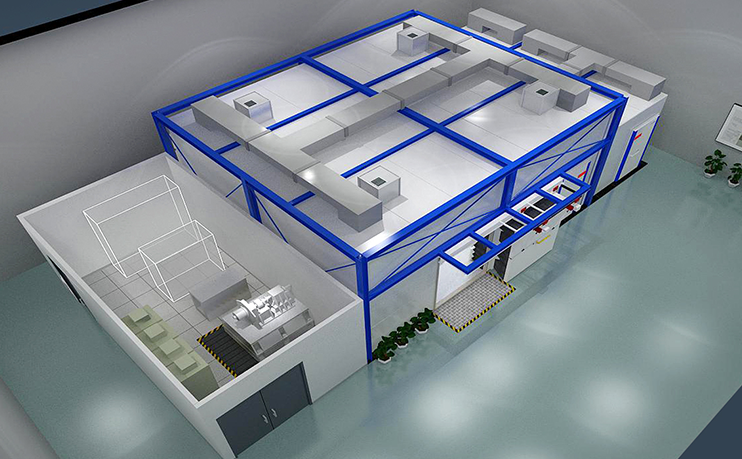
Cooling system: Provides water or oil cooling for motors and testing equipment to maintain a stable operating temperature.
3. Design and layout requirements
The Anechoic chamber must meet strict electromagnetic shielding standards to ensure that the internal background noise is below the specified limit.
The tested motor should be kept at least 1 meter away from the absorbing material to avoid signal interference.
Civil engineering needs to consider equipment load-bearing, vibration isolation, and layout of water and electricity interfaces to ensure safe and stable operation.