

 Components and Parts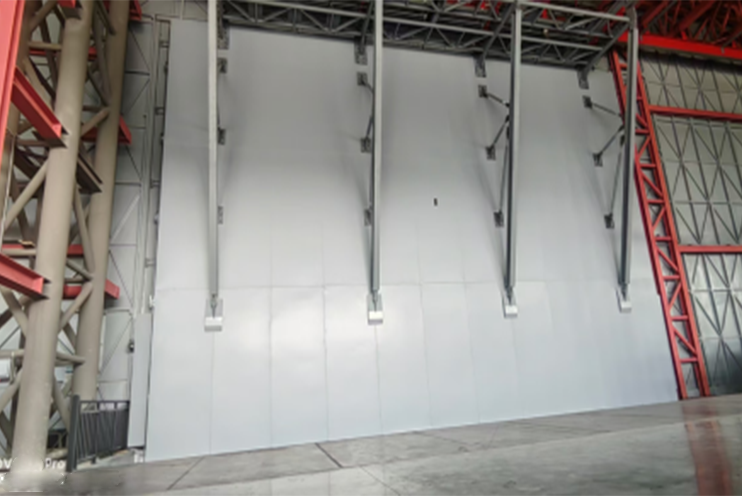
Features


Specifications
1. Function and Purpose
The main function of the oversized shielding door is to block external electromagnetic interference, prevent electromagnetic waves from entering or leaking, and protect the safety of internal equipment and data. It is often used in scenarios that require high levels of electromagnetic protection, such as the processing of classified information, testing of high-precision electronic equipment, and protection of medical equipment.
2. Technical Features
High shielding effectiveness: Adopting multi-layer electromagnetic sealing technology, such as blade sealing, spring sealing, etc., to ensure high shielding effect in a wide frequency range (such as 14kHz-18GHz), the shielding effectiveness is usually ≥ 100dB.
Large scale customization: The size of the door can be customized according to actual needs to meet the installation requirements of different spaces, commonly found in large shielded rooms or special places.
Safety and reliability: equipped with anti pinch devices and emergency opening functions to ensure personnel safety; Adopting fully mechanical or electric driving methods, the operation is stable and reliable.
Compatibility and scalability: Can be integrated with access control systems, monitoring systems, etc., supporting remote control and intelligent management.
3. Application scenarios
Electromagnetic shielding room: used to protect sensitive electronic devices from external electromagnetic interference, such as military communications, research laboratories, etc.
Data center: prevent electromagnetic leakage, ensure data security and stable operation of equipment.
Medical equipment protection: Reduce the impact of electromagnetic interference on medical equipment to ensure the accuracy of diagnosis and treatment.
4. Design and Manufacturing
The door structure is usually made of high-strength materials such as stainless steel and cold-rolled steel plates, combined with precision machining processes to ensure sealing and mechanical strength.
The drive system can be selected from electric, pneumatic, or manual modes to meet the needs of different scenarios.
Strict electromagnetic compatibility testing and quality inspection are required to ensure performance meets relevant standards.